Vibe Coding Statistics 2026: Adoption, Money, Risk and the Creators Behind It
Key Takeaways
- → The vibe coding statistics below are drawn from 2026 primary sources rather than vendor marketing
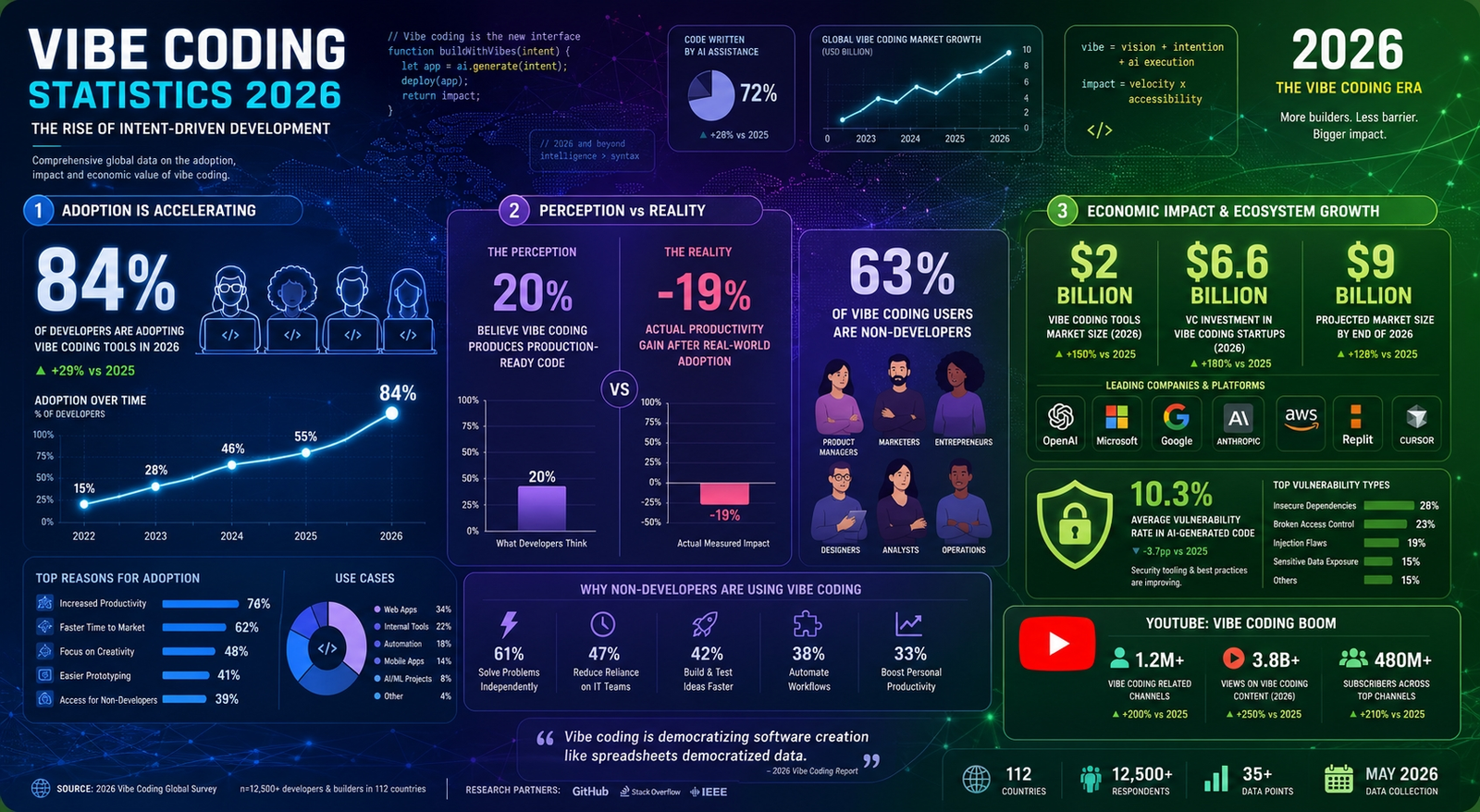
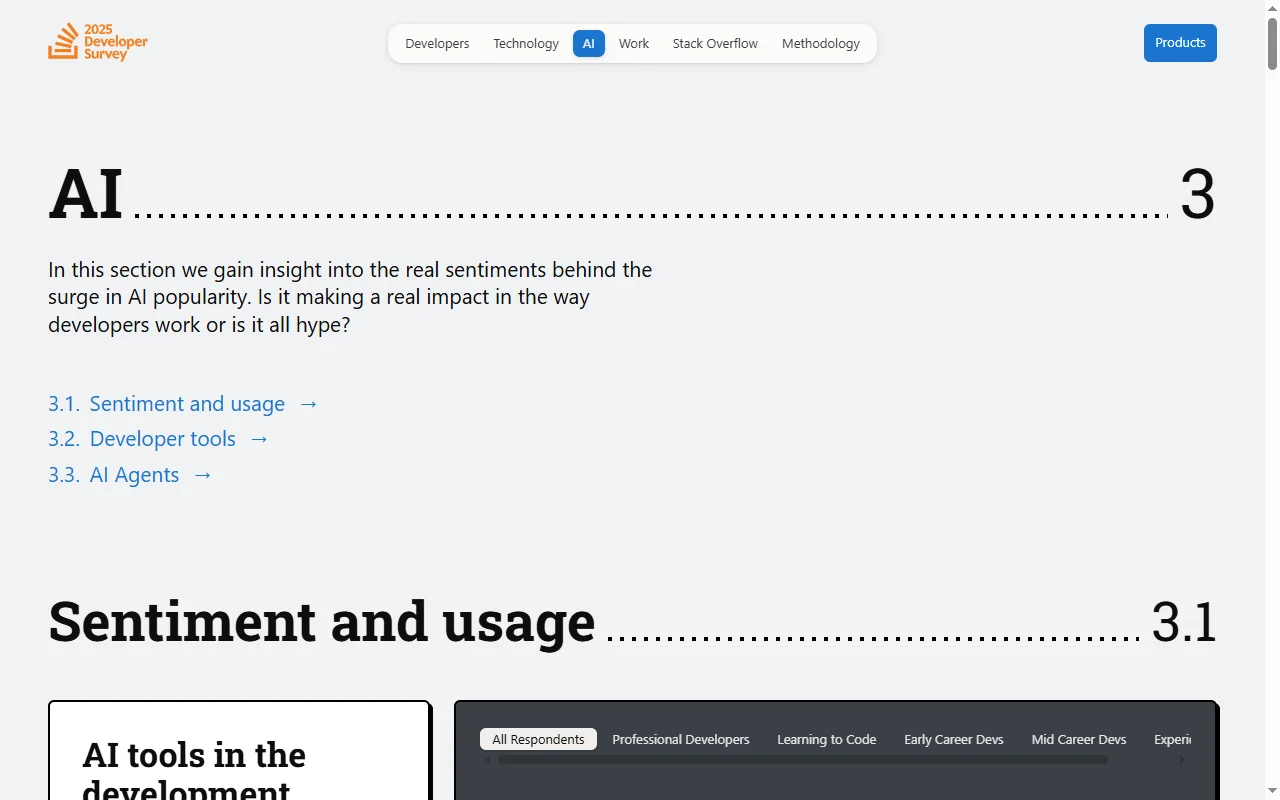
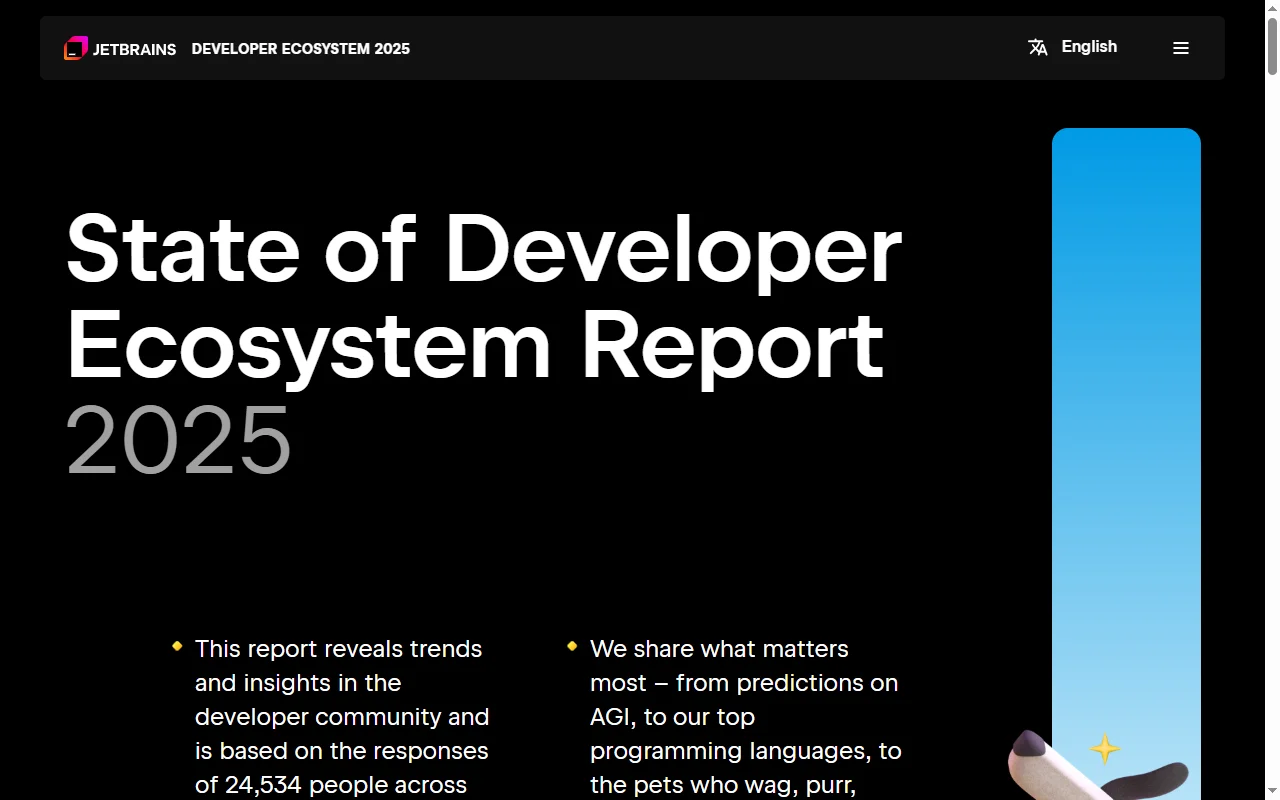
- → 84% of developers use or plan to use AI coding tools, with JetBrains (85%) and Google’s DORA (90%) reporting similar figures (Stack Overflow 2025)
- → 63% of active vibe coders are non-developers: founders, marketers and operators (Solveo / Second Talent)
- → In the most rigorous field study, developers were 19% slower with AI while believing they were 20% faster (METR 2025)
- → “Vibe coding” was named Collins Dictionary’s Word of the Year 2025 (Collins / CNN)
- → Cursor hit $2B ARR and a reported ~$50B valuation; Lovable is valued at $6.6B (The Next Web, TechCrunch)
- → 10.3% of scanned Lovable-built apps had exploitable vulnerabilities (Matt Palmer, CVE-2025-48757)
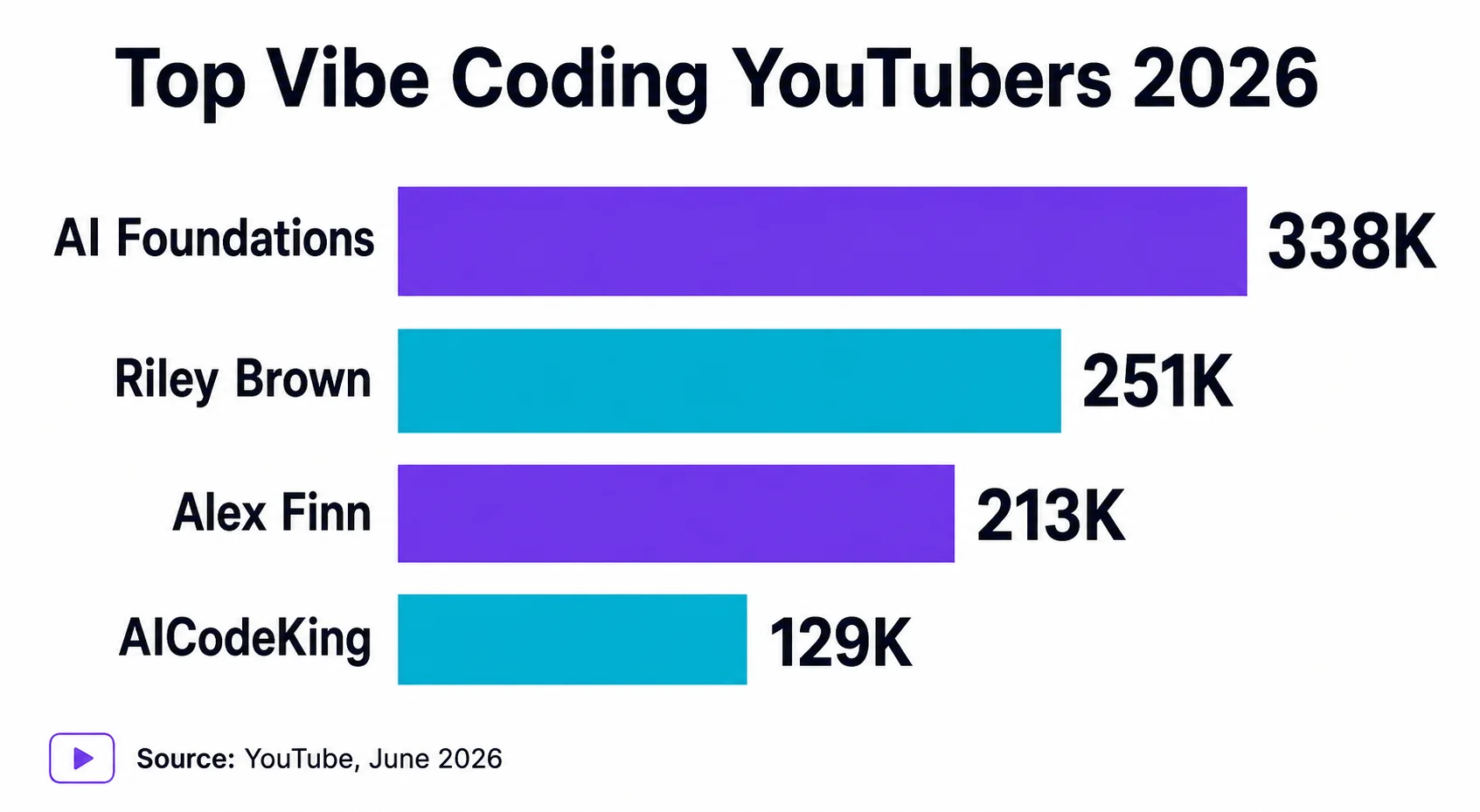
- → The four largest non-developer-focused vibe coding YouTube channels hold a combined 931K subscribers and 47.9M views (YouTube Data API, June 2026)
These vibe coding statistics for 2026 pull together verified data on adoption, productivity, money, security and the creators driving the movement, written for non-developers rather than engineers.
Every figure is dated and sourced, market estimates are shown as honest ranges where firms disagree, and the creator reach numbers were pulled live from the YouTube Data API on 16 June 2026.
If you are still deciding what to build with, our tool finder quiz matches your project to the right AI builder in about a minute.
1 Vibe coding statistics: how many people actually use AI coding tools
Adoption is close to universal among developers.
Three independent 2025 surveys put it between 84% and 90%, though daily use is lower.
| Metric | Value | Source |
|---|---|---|
| Developers using or planning to use AI tools | 84% | Stack Overflow 2025 |
| Developers using AI regularly for coding | 85% | JetBrains 2025 |
| Professionals who had adopted AI at work by 2025 | 90% | DORA (Google) |
| Developers using AI tools every day | 51% | Survey compilation 2026 |
| Share of all code now AI-generated | 41% | Industry compilation 2026 |
| Sources: Stack Overflow Developer Survey 2025; JetBrains Developer Ecosystem 2025; Google DORA 2025. | ||
The headline number hides a gap between trying these tools and relying on them.
Around 51% of professional developers reach for AI every day, and the symbolic milestone of the year was cultural rather than statistical: Collins Dictionary named “vibe coding” its Word of the Year for 2025, less than a year after Andrej Karpathy coined the term in February 2025.
If the vocabulary is new to you, our plain-English glossary of vibe coding terms explains the jargon without assuming a technical background.
2 Productivity: what people expect versus what studies find
The marketing promise and the measured reality diverge sharply.
The most rigorous field study found experienced developers were slower with AI, even as they felt faster.
Only 16.3% of developers in the Stack Overflow 2025 survey said AI made them “greatly more productive”, and 66% reported spending more time fixing AI-generated code than they expected.
An earlier 2023 lab experiment from Microsoft and MIT did find a 55.8% speed gain, but only on a single bounded task, which is exactly why field results and lab results disagree.
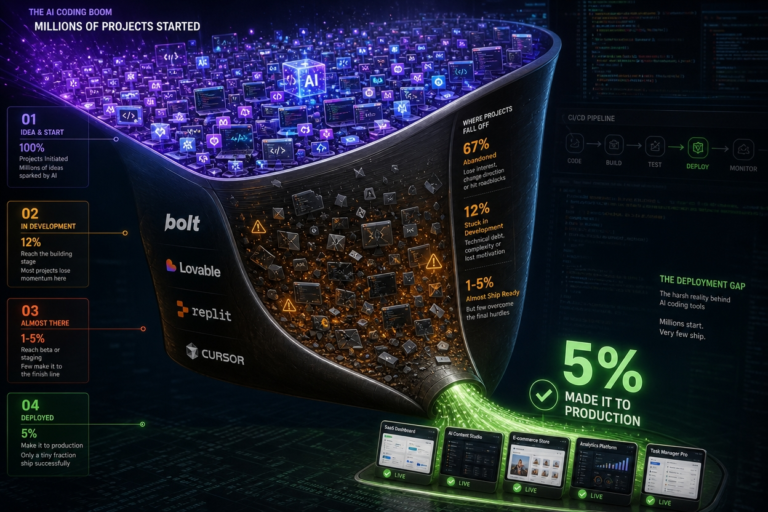
The pattern fits what we found when we looked at how often non-developers actually ship a finished product: the first 70% is fast, and the last 30% is where timelines stall.
3 Who is actually vibe coding
Most active vibe coders are not professional developers.
The headline adoption story among startups, however, is still driven by technical founders.
That community demographic is the real shift, because it means the audience is no longer just engineers.
The much-quoted figure that 25% of Y Combinator’s Winter 2025 batch had codebases 95% or more AI-generated points the other way, since the firm noted those were highly technical founders who would have written the code by hand a year earlier.
Self-reported timelines from non-developers range from roughly three weeks to over three years, which is why choosing a tool that matches your actual skill level matters more than chasing the fastest demo.
4 The money: market size and funding
The funding numbers are enormous and well documented.
The market-size forecasts, by contrast, disagree wildly and should be read as a range.
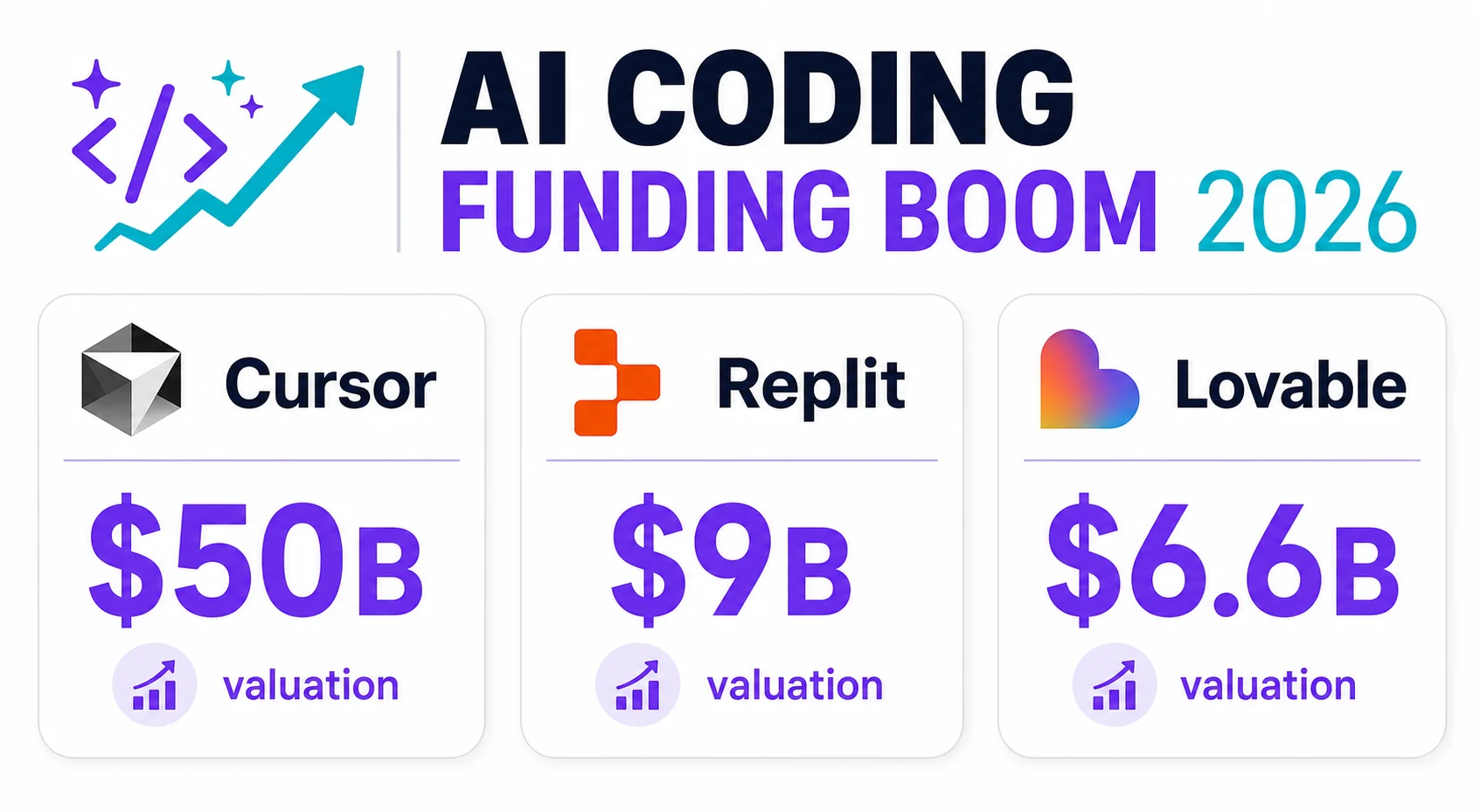
Cursor, built by Anysphere, became the fastest business software company ever to pass $1B in annual recurring revenue, reaching $2B by February 2026.
Where the picture gets murky is total market size, where research firms cannot agree.
| Research firm | 2026 estimate | Forecast |
|---|---|---|
| Various (FindSkill compilation) | $4.7B | $12.3B by 2027 |
| Mordor Intelligence | $7.06B | $15.52B by 2031 |
| Roots Analysis / Precedence | ~$3.9B-$4B | ~$37B by 2032 |
| Estimates conflict due to differing scope and methodology; treat as a range, not a single figure. CAGR estimates span 17% to 38%. | ||
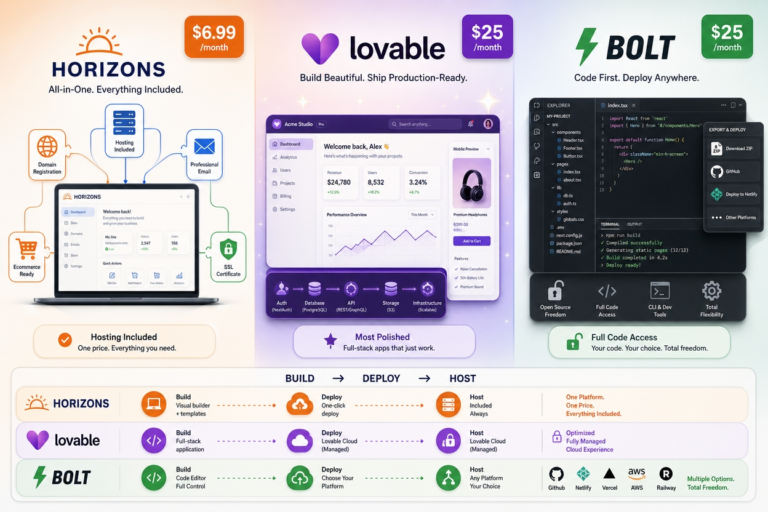
For non-developers, that hidden multiplier matters more than valuations, because it is the difference between a $25 plan and a real monthly bill, which is exactly the trap we map in our Horizons versus Lovable versus Bolt cost breakdown.
5 Security and risk
Vibe-coded apps carry real, documented security risk.
The most common failure is a database left open in test mode.
| Finding | Value | Source |
|---|---|---|
| Lovable-built apps with exploitable vulnerabilities | 10.3% | Matt Palmer, CVE-2025-48757 |
| Vulnerabilities found in 15 vibe-coded apps (Tenzai) | 69 | Tenzai, via Hashnode |
| AI-generated code containing OWASP Top-10 issues | 45% | Tenzai, via Hashnode |
| User records exposed by the Quittr app | ~600,000 | 404 Media, Cybernews |
| Sources: Matt Palmer security research (CVE-2025-48757); Tenzai analysis via Hashnode; 404 Media and Cybernews. | ||
A May 2025 scan found 170 of 1,645 Lovable-created apps, or 10.3%, had exploitable flaws, all tied to misconfigured database access defaults.
The Quittr app is the cautionary tale: it earned over $1M while its database sat publicly readable, exposing roughly 600,000 user records.
Developer trust reflects this, with favourability toward AI-generated code falling from 77% in 2023 to 60% in 2026, which is the same caution we flag throughout our complete guide to vibe coding.
6 The tool landscape and pricing
Entry pricing across the leading tools spans an order of magnitude.
What you get for the money differs even more than the price does.
| Tool | Entry paid price | Notable |
|---|---|---|
| Hostinger Horizons | $6.99/mo | Bundles hosting, free domain, email, ecommerce |
| Lovable | $25/mo | Cloud-only; polished full-stack output |
| Bolt | $25/mo | Least lock-in; full code export |
| Sources: official pricing pages (Hostinger Horizons, Lovable, Bolt) and No Code MBA, 2026. | ||
Among developers, ChatGPT (82%) and GitHub Copilot (68%) remain the most-used aids, while agentic tools like Claude Code are climbing fast.
For non-developers the choice is narrower and the stakes are clearer, which is why we compare the build-and-host options in detail in our Hostinger Horizons review and explain why a persistent setup matters in our guide to always-on hosting for Claude Code.
7 Top creators and the vibe coding economy
A wave of creators has turned teaching vibe coding into a business.
Their reach is verifiable; their earnings can only be estimated.
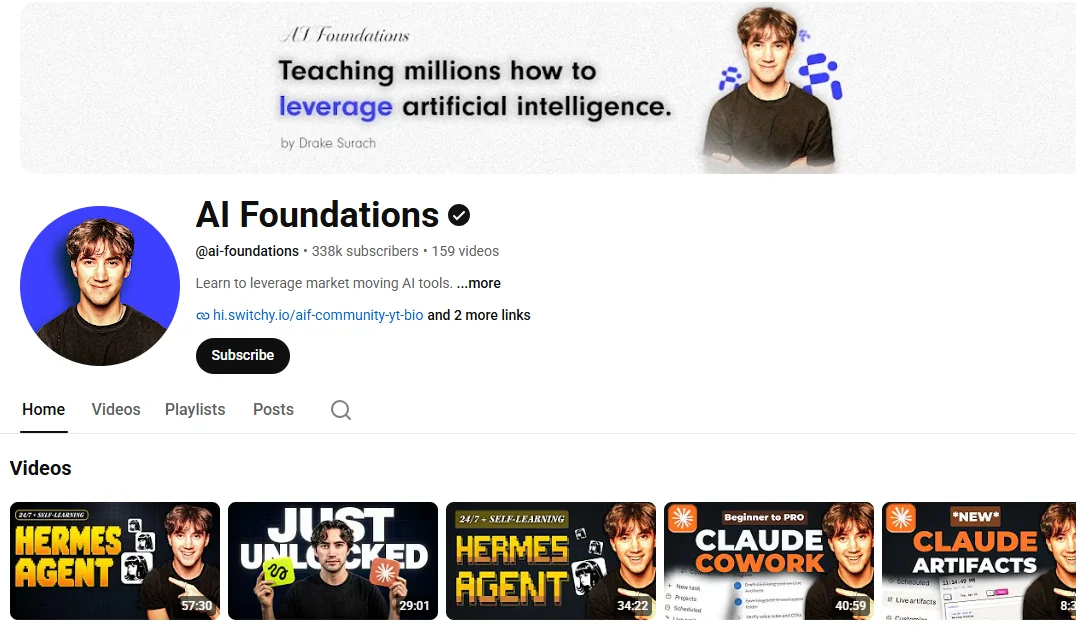
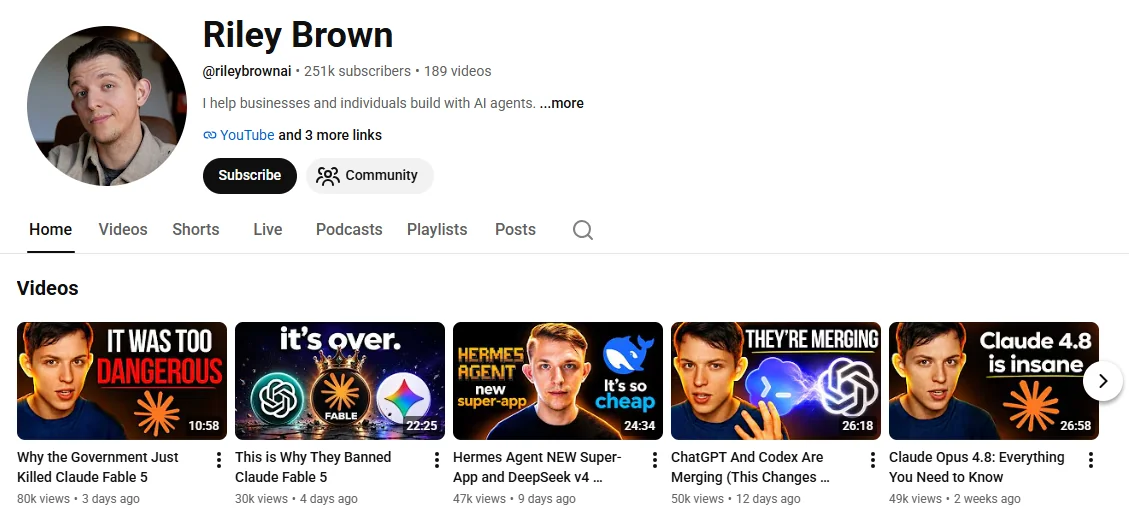
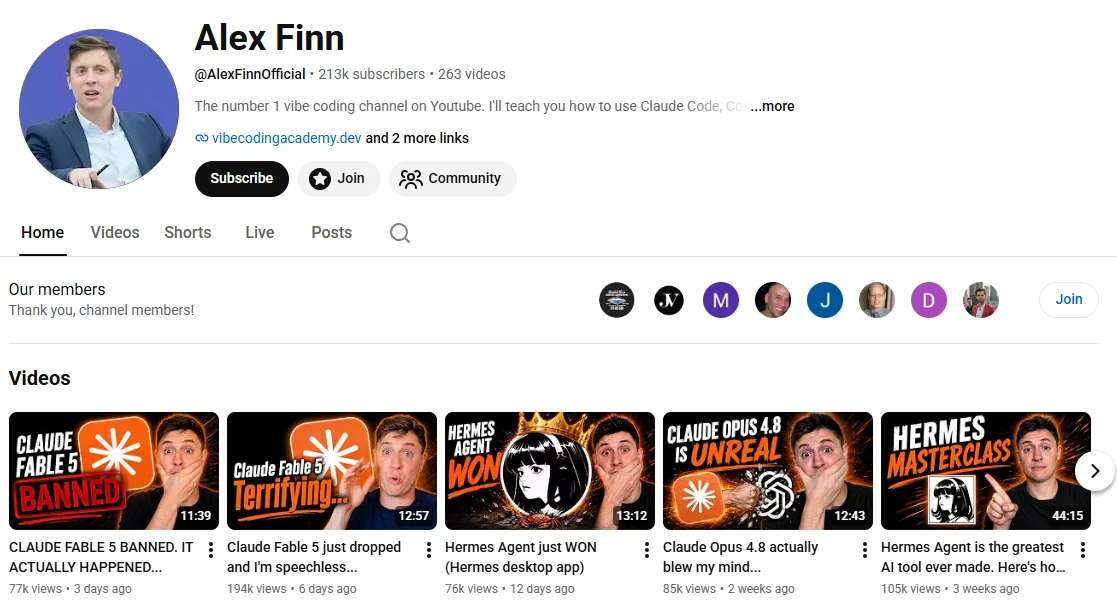
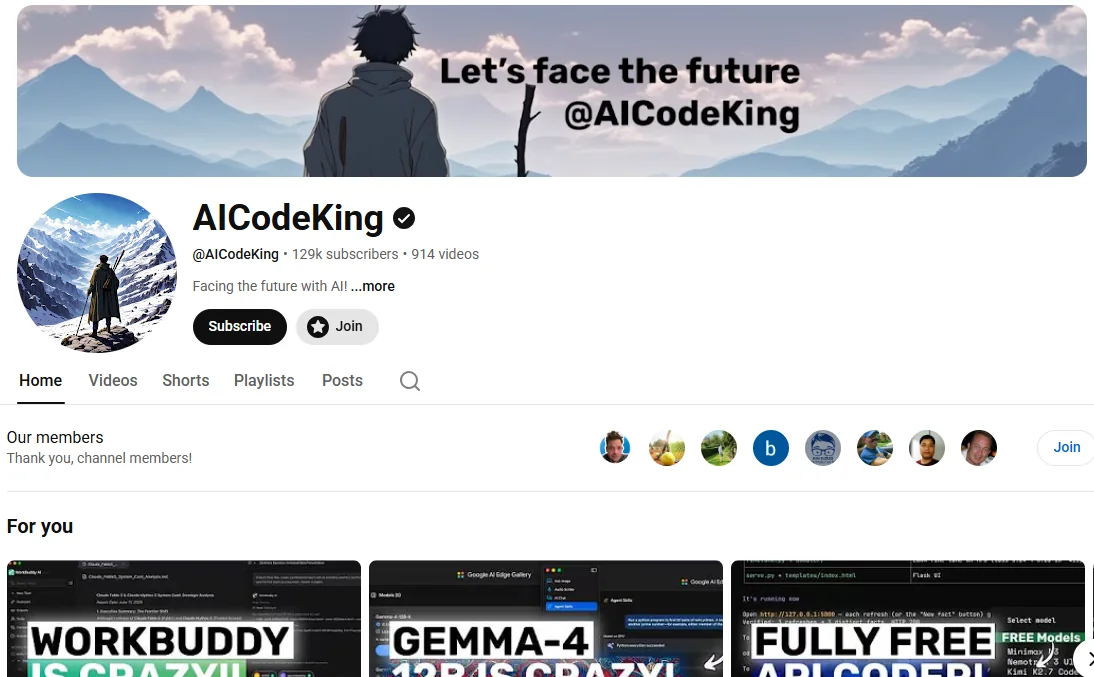
The figures below were pulled live from the YouTube Data API on 16 June 2026, so the subscriber and view counts are exact rather than rounded marketing claims.
| Creator | Focus | Subscribers | Total views | Est. ad revenue / video |
|---|---|---|---|---|
| AI Foundations (Drake Surach) | Build-and-teach, AI agents | 338,000 | 12.96M | $407-$978 |
| Riley Brown | Vibe coding for beginners | 251,000 | 10.05M | $266-$638 |
| Alex Finn | Building profitable AI products | 213,000 | 9.92M | $189-$453 |
| AICodeKing | Daily AI dev tool coverage | 129,000 | 15.01M | $82-$197 |
| Reach: YouTube Data API v3, pulled 16 June 2026. Ad revenue: estimate only (average views x $5-$13 tech RPM, after YouTube’s ~45% cut). Click a column header to sort. | ||||
These are the four channels’ live pages, captured on the same day, as first-hand verification of the subscriber counts above.
Beyond YouTube, the movement has minted cross-platform names: on TikTok, @browhocodes and @codebysophy have each passed 55,000 followers, and on X and LinkedIn, Lazar Jovanovic was hired by Lovable as a professional vibe coder despite never having coded professionally.
No named individual’s total income is stated here as fact, because real earnings are private and the estimate above covers advertising revenue only.
Hostinger Horizons
At a $6.99 entry price that already bundles hosting, a free domain and email, Horizons is the cheapest way to avoid the 2-3x hidden-cost trap that inflates a shipped app’s real bill.
Start building on Hostinger →Methodology
This report curates verified data from primary surveys, academic studies, company filings, reputable journalism and live platform data, prioritising 2026 and 2025 sources.
- Sources consulted: 30, including a live YouTube Data API pull
- Citations in this report: 20
- Data range: 2023 to 2026, with older studies dated in-text and retained only where no superseding research exists
- Creator data verified: 16 June 2026, via the YouTube Data API v3
- Known limitation: vibe coding market-size forecasts conflict across firms and are presented as a range; creator earnings are estimates of advertising revenue only
Frequently asked questions
How many developers use AI coding tools in 2026?
Adoption is near universal: the Stack Overflow 2025 survey put it at 84% using or planning to use AI coding tools, JetBrains found 85% using them regularly, and Google’s DORA research reported 90% had adopted AI tools at work by 2025, while about 51% use them every day.
Are most vibe coders really non-developers?
A February 2026 analysis by Solveo of 1,000 r/vibecoding comments found 63% of the active community are non-developers, including founders, product managers, marketers and operations people, which matches the wider shift toward non-technical builders.
How big is the vibe coding market?
Estimates vary widely by research firm: for 2026 they range from about $4.7B to $7.06B, and longer-term forecasts diverge from $12.3B by 2027 to nearly $37B by 2032, with annual growth rates put between 17% and 38%, so the honest answer is a range rather than one number.
Do AI coding tools actually make people faster?
Not as reliably as the marketing suggests: the most rigorous field study (METR, 2025) found experienced developers were 19% slower with AI while believing they were 20% faster, and only 16.3% of developers in the Stack Overflow 2025 survey said AI made them greatly more productive.
Who are the top vibe coding YouTubers in 2026?
By subscriber count, the largest non-developer-focused channels are AI Foundations (338K), Riley Brown (251K), Alex Finn (213K) and AICodeKing (129K), a combined 931,000 subscribers and 47.9 million views, verified live in June 2026.
How much do vibe coding creators earn?
Exact incomes are private, so any figure is an estimate: technology and software-tutorial channels earn roughly $5 to $13 per 1,000 views in ad revenue after YouTube’s cut, so a channel with about 300,000 monthly views would make an estimated $1,500 to $3,600 a month from ads alone, with sponsorships, courses and communities usually earning far more.
Is vibe-coded software secure?
It carries real, documented risk: a May 2025 scan found 10.3% of Lovable-created apps had exploitable vulnerabilities, a Tenzai analysis of 15 apps found 69 vulnerabilities including 6 critical, and the Quittr app exposed around 600,000 user records by leaving its database publicly readable.
Sources and references
- Stack Overflow. “Developer Survey 2025.” survey.stackoverflow.co/2025. Accessed 16 June 2026.
- JetBrains. “Developer Ecosystem Survey 2025.” jetbrains.com/lp/devecosystem-2025. Accessed 16 June 2026.
- Get Panto. “AI Coding Assistant Statistics (DORA, GitHub).” getpanto.ai. Accessed 16 June 2026.
- METR. “Early 2025 AI Experienced OS Developer Study.” metr.org. Accessed 16 June 2026.
- Anthropic. “AI Assistance and Coding Skill Formation.” anthropic.com. Accessed 16 June 2026.
- Microsoft / MIT. “The Impact of AI on Developer Productivity (arXiv 2302.06590).” arxiv.org. Accessed 16 June 2026.
- Second Talent. “Vibe Coding Statistics (Solveo analysis).” secondtalent.com. Accessed 16 June 2026.
- Collins Dictionary. “Word of the Year 2025.” collinsdictionary.com/woty. Accessed 16 June 2026.
- CNN. “Vibe coding named Collins Dictionary’s Word of the Year.” cnn.com. Accessed 16 June 2026.
- The Next Web. “Cursor in talks to raise $2B at $50B valuation.” thenextweb.com. Accessed 16 June 2026.
- TechFundingNews. “Replit raising $400M at $9B valuation.” techfundingnews.com. Accessed 16 June 2026.
- TechCrunch. “Lovable added $100M in revenue in a month with 146 employees.” techcrunch.com. Accessed 16 June 2026.
- Mordor Intelligence. “Vibe Coding Market.” mordorintelligence.com. Accessed 16 June 2026.
- Roots Analysis. “Vibe Coding Market Report.” rootsanalysis.com. Accessed 16 June 2026.
- Matt Palmer. “Statement on CVE-2025-48757.” mattpalmer.io. Accessed 16 June 2026.
- Hashnode. “State of Vibe Coding 2026 (Tenzai, CodeRabbit, GitClear).” hashnode.com. Accessed 16 June 2026.
- 404 Media. “Hackers warned anti-porn app Quittr about a security issue.” 404media.co. Accessed 16 June 2026.
- miraflow. “YouTube CPM Rates by Niche 2026.” miraflow.ai. Accessed 16 June 2026.
- CheckTheWorth. “Technology YouTube CPM Rate 2026.” checktheworth.com. Accessed 16 June 2026.
- YouTube Data API v3. “Channel statistics (AI Foundations, Riley Brown, Alex Finn, AICodeKing).” Live pull, 16 June 2026.